When you’re starting a business or giving an existing one a fresh direction, branding is probably one of the first things on your list.
But when you start looking for a designer, you’ll notice that everyone seems to offer something different. Some packages include a logo and a few colors, while others promise a complete brand identity.
So, what should you actually expect?
A complete brand identity package typically includes brand discovery and strategy, a logo system, color palette, typography, supporting visual elements, brand guidelines, and ready-to-use design assets. The exact deliverables depend on your business needs and the studio you work with.
Let’s look at what goes into building a brand identity and why each part matters.
1. Brand discovery and strategy
Before choosing colors or sketching logos, a designer needs to understand your business.
Who are you trying to reach? What makes your business different? What do you want people to feel when they interact with your brand?
Brand discovery helps answer these questions.
Depending on the project, this stage might involve:
- A brand questionnaire and discovery session
- Research into your industry and competitors
- Understanding your target audience
- Defining your brand’s personality and positioning
- Establishing an overall creative direction
This is an important part of the process because good branding shouldn’t be based on personal preferences alone.
For example, a skincare brand targeting younger customers might need a completely different visual approach from a luxury skincare brand appealing to established professionals, even if both sell similar products.
The right direction comes from understanding the business behind the design.
2. Logo design and variations
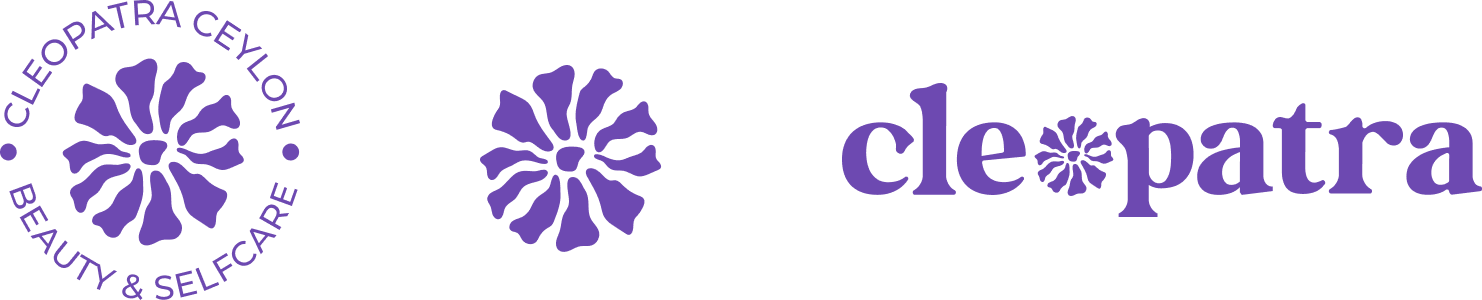
Your logo is one of the most recognizable elements of your brand identity, but a single logo isn’t always enough.
Think about the different places your logo needs to appear. Something that works beautifully on a website header might not work as well on a tiny product label or social media profile.
A professional logo system may include:
- Primary logo: The main version used across your brand.
- Secondary logo: An alternative arrangement for different spaces.
- Submark or icon: A simplified version for smaller applications.
- Color variations: Versions suitable for light and dark backgrounds.
The goal is to create a flexible system that remains recognizable wherever it appears.
3. Brand color palette

Colors are more than decoration. They help set the mood, communicate personality, and make your business recognizable.
A brand identity package typically establishes a primary palette and supporting colors, along with clear specifications for digital and print use.
The designer also considers how these colors work together.
Your palette needs to be flexible enough for websites, social media, packaging, and other applications without making everything look identical.
4. Typography system
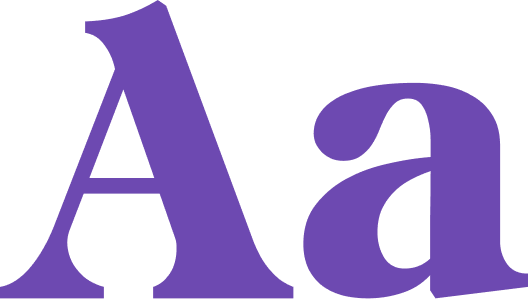
Typography plays a surprisingly big role in how a brand feels.
A bold, expressive typeface can give a business a playful personality, while a refined serif might communicate something more traditional or sophisticated.
A complete typography system usually includes fonts for headings and body text, along with guidance on hierarchy and usage.
The aim is to make sure your typography works not only on beautiful mockups, but also on real websites, documents, and marketing materials.
Font licensing and availability should also be considered before making final decisions.
5. Supporting visual elements
A memorable identity often goes beyond a logo, colors, and fonts.
Depending on the brand, supporting elements might include custom patterns, illustrations, icons, textures, graphic shapes, or a distinctive visual treatment.
These details give you more ways to express your brand without relying on your logo everywhere.
They’re especially useful for businesses that regularly create social media content, packaging, and promotional materials.
6. Brand guidelines
Once the visual identity is created, how do you make sure everything stays consistent?
That’s where brand guidelines come in.
A brand guideline document explains how to use your identity correctly. It might cover logo spacing, color values, typography, supporting graphics, and examples of correct and incorrect usage.
Think of it as a reference your business can return to whenever you’re creating something new.
It also makes working with future designers, developers, printers, and marketing teams much easier.
7. Brand applications and mockups
Designing a brand is one thing. Seeing how it works in real life is another.
Brand applications show how the visual identity comes together across relevant touchpoints.
For example, a product-based business might need packaging concepts, shopping bags, and product labels, while a service business might benefit more from presentation templates, stationery, and digital assets.
Not every package includes production-ready designs for these applications, so it’s important to clarify what is included before starting.
What should you receive at the end?
You should receive the final assets specified in your agreement, in formats you can actually use.
These often include vector logos, transparent PNGs, color specifications, typography information, brand guidelines, and relevant supporting assets.
It’s also worth checking whether editable source files, font licenses, and commercial usage rights are included.
Is a complete brand identity worth it?
If you’re building a business that you intend to grow, investing in a cohesive identity can save you from repeatedly redesigning things as your needs change.
It gives your business a recognizable foundation and makes decisions about packaging, websites, and marketing materials easier.
That doesn’t mean every business needs the largest branding package available.
The right investment depends on where your business is today and what you’re trying to achieve.
Building a brand from the ground up?
At Paba Design, we create strategic brand identities designed to work across the places your business shows up, from your logo to your digital presence.
Whether you’re launching something new or giving an existing brand a fresh direction, we’d love to hear what you’re building.
Explore our Brand Identity services or get in touch to discuss your project.